Research atlas
Cosmic history,
read at many scales.
Two connected tracks: cosmology across cosmic history, and interdisciplinary inference where the same numerical ideas meet other complex systems.
Primary programme
Cosmology
01 / 05
Inflation · primordial features · non-Gaussianity
The early Universe
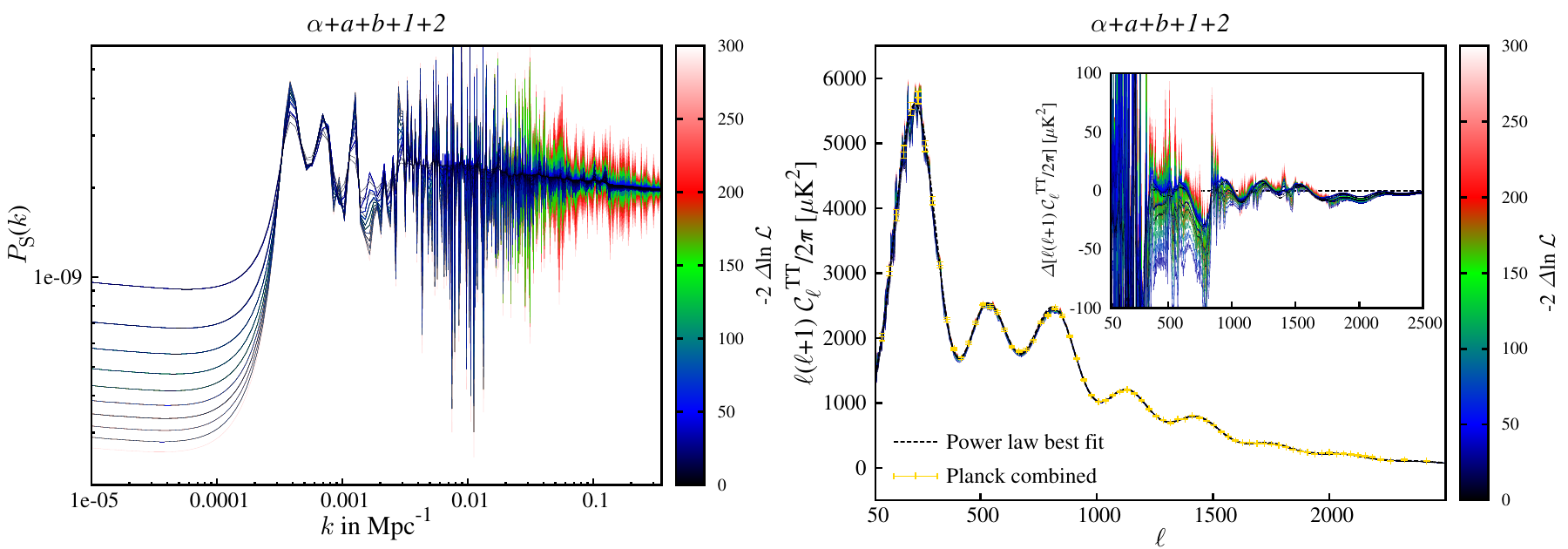
I work on inflationary models and the primordial perturbations they generate. A recurring question is whether localized departures from a smooth primordial spectrum—suppression, oscillations or other features—can illuminate the dynamics of inflation.
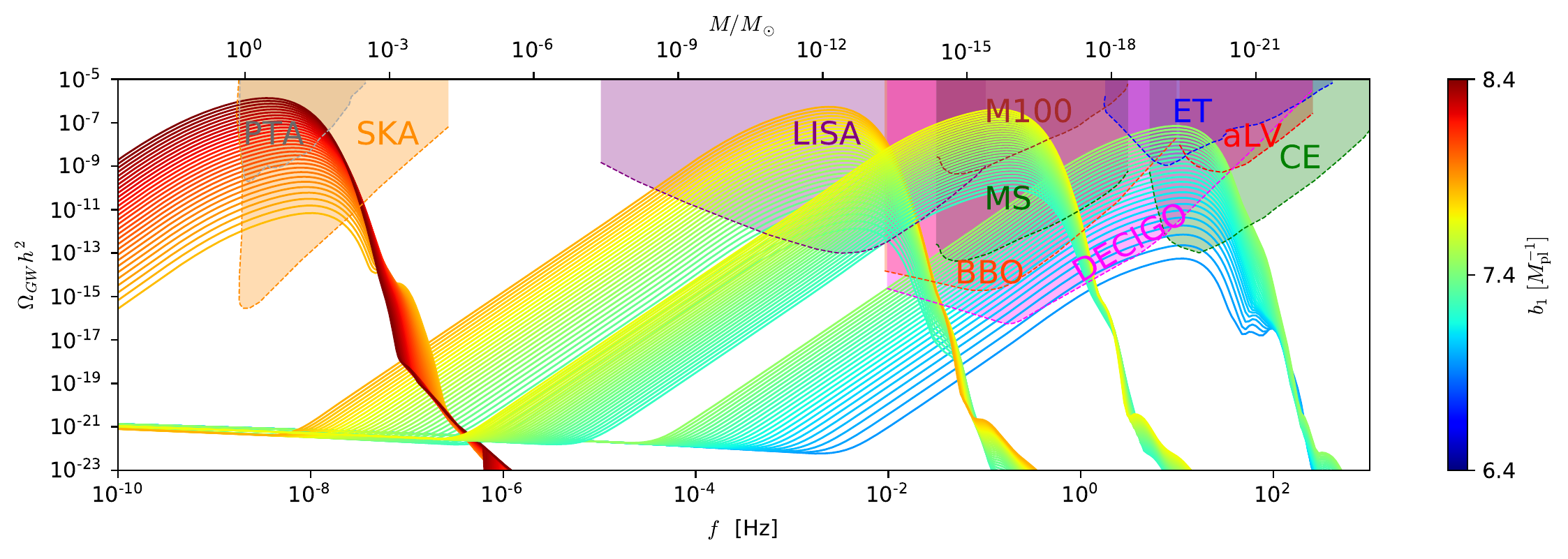
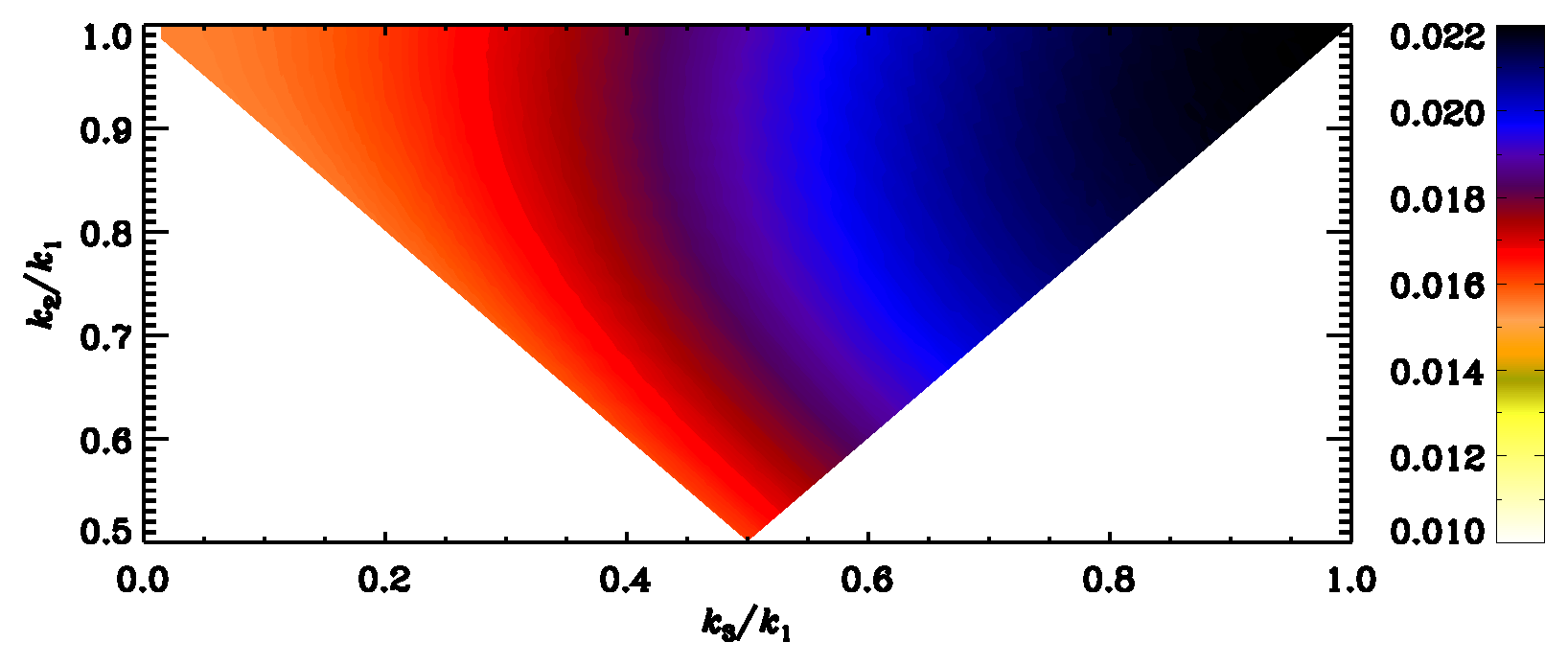
This includes exact numerical solutions of scalar and tensor perturbations, two-field models, primordial black-hole formation, stochastic gravitational waves and the bispectrum. Whipped Inflation, Wiggly Whipped Inflation and the BINGO code grew out of this programme.
Related publications →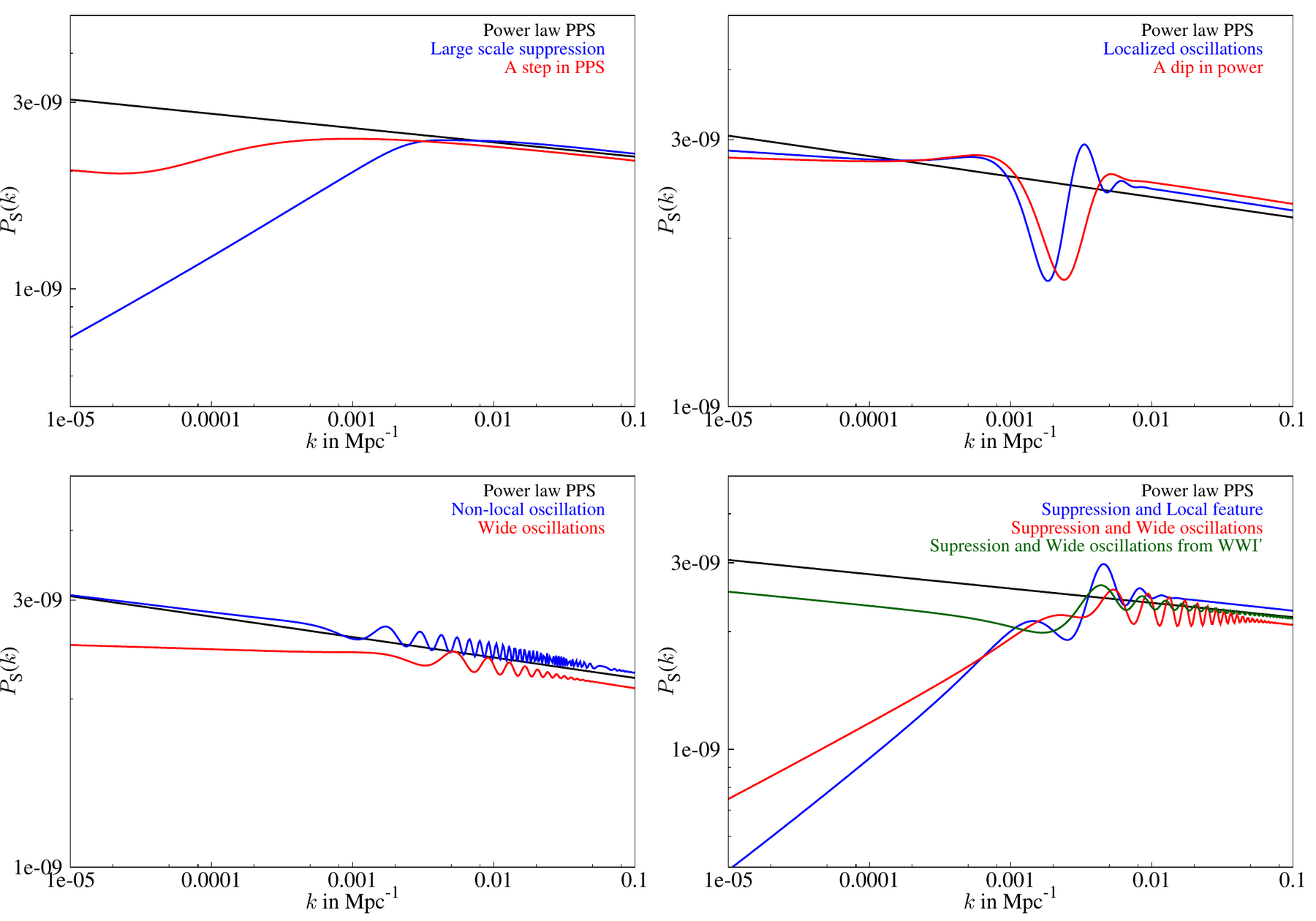
02 / 05
CMB · inverse problems · parameter estimation
Cosmological inference
Model comparison and reconstruction are complementary. I develop statistical methods that reconstruct primordial physics directly from cosmological observations, then use those hints to build and test models.
The work spans modified Richardson–Lucy deconvolution, optimized free-form binning, Gaussian processes and Bayesian parameter estimation. Recent analyses examine the Planck–ACT discordance and how different CMB datasets map onto the primordial spectrum.
Related publications →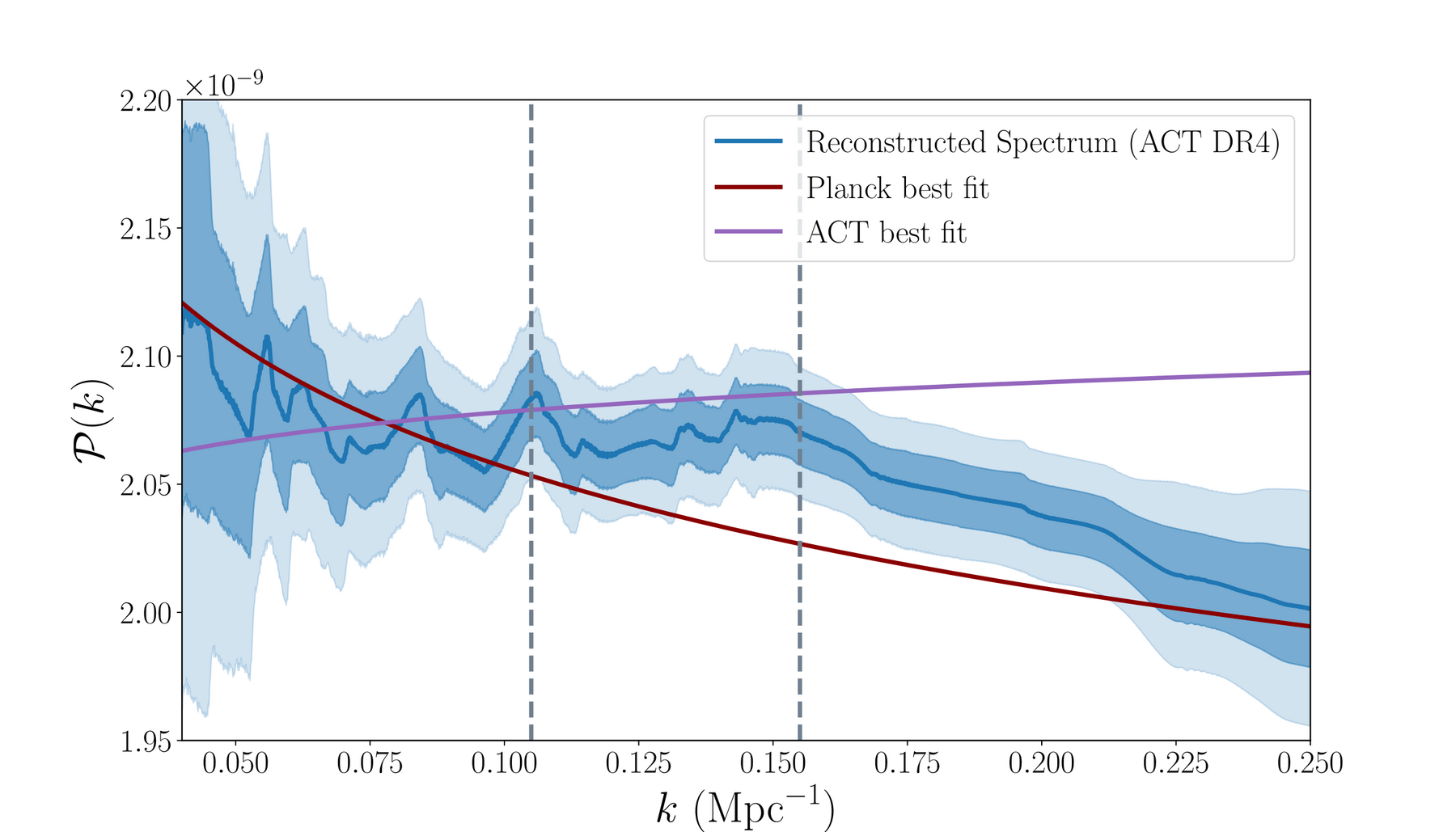
03 / 05
Cosmic dawn · ionization history · neutral hydrogen
Reionization
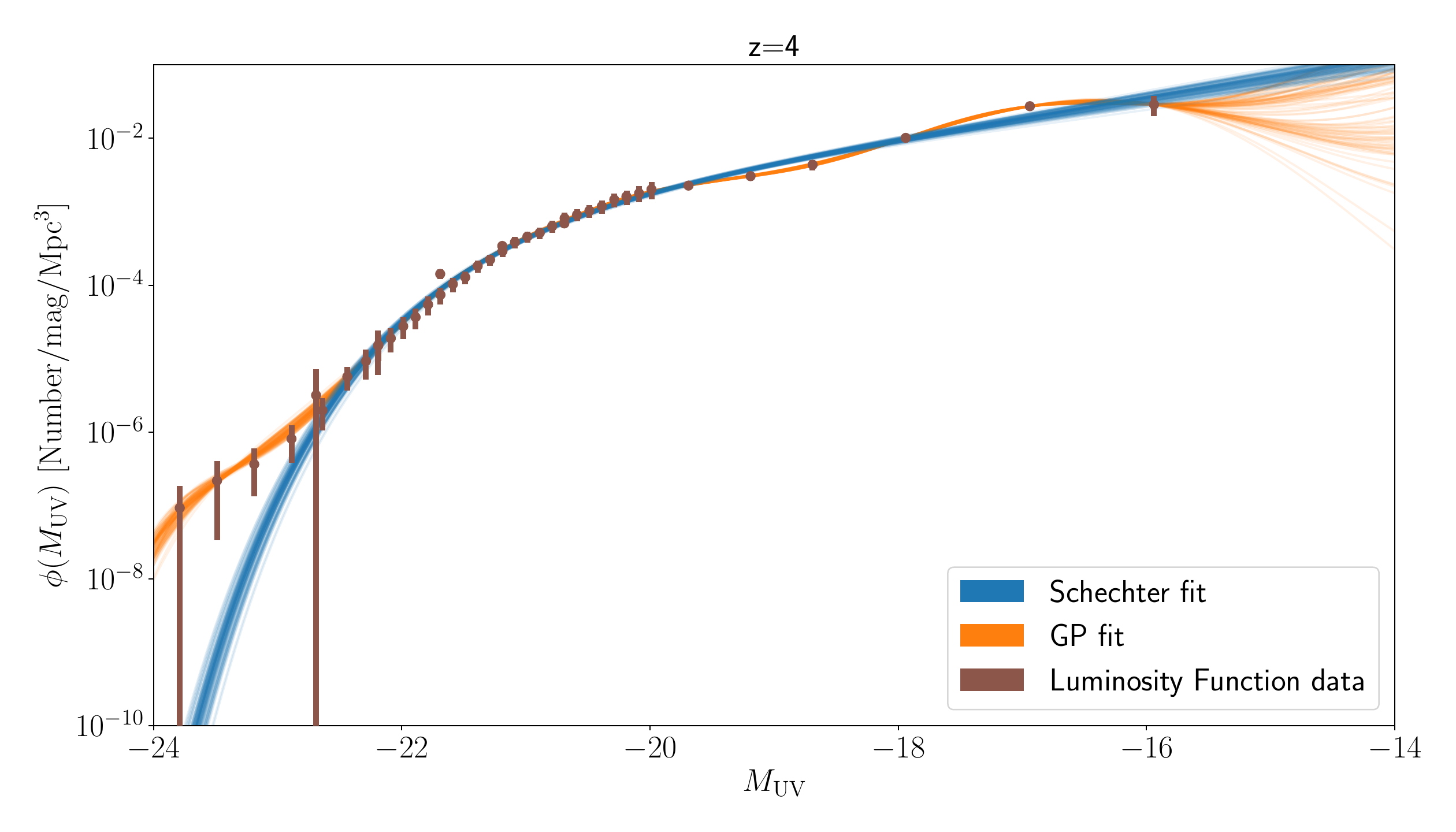
Reionization connects the first luminous sources with the CMB and the intergalactic medium. I combine CMB optical depth, UV luminosity density and neutral-hydrogen observations to reconstruct this history with as few imposed shapes as possible.
Poly-Reion provides flexible, physical histories; other work reconstructs the source and sink terms of the ionization equation and applies Gaussian processes to the evolving ionized fraction.
Related publications →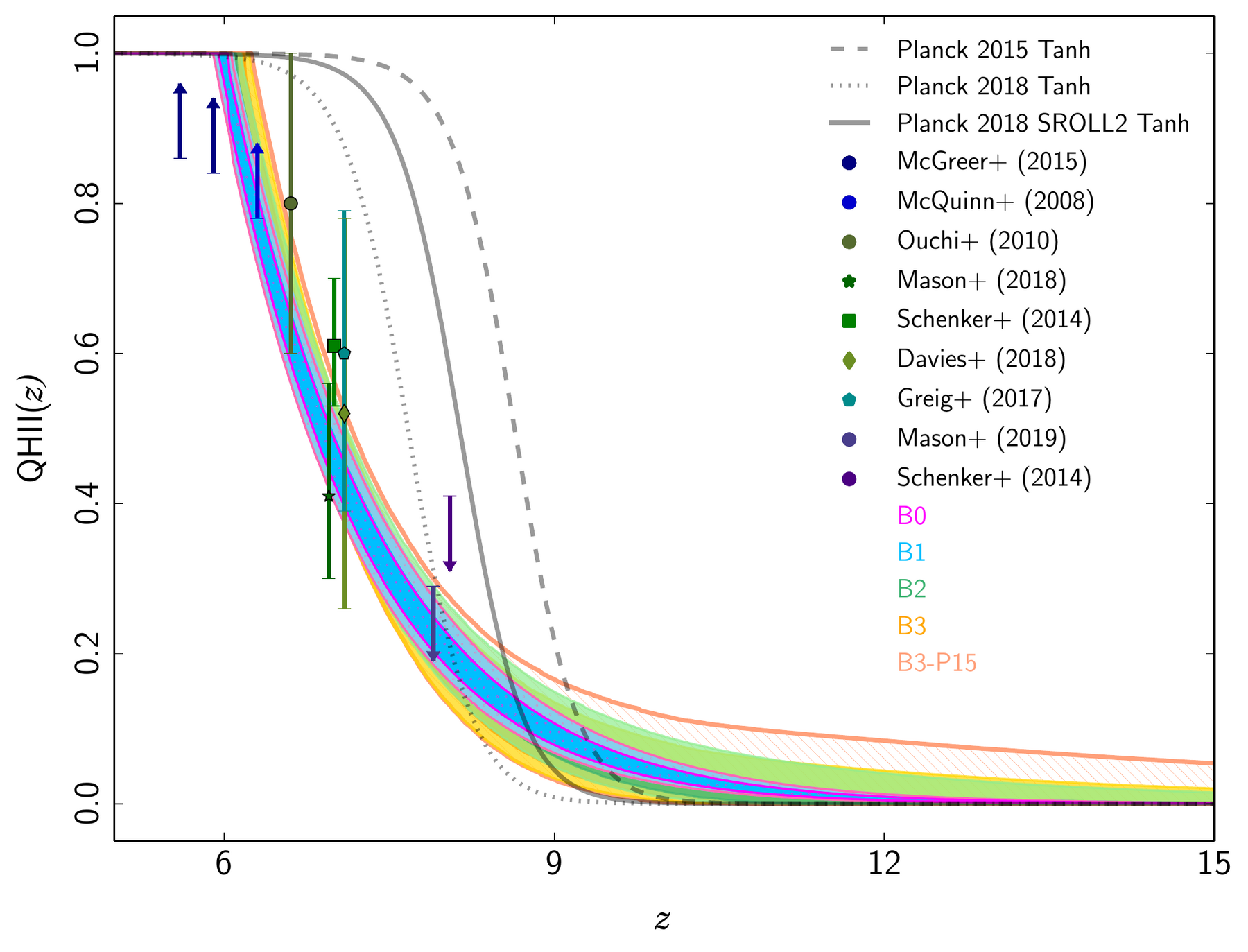
04 / 05
Galaxy clustering · EFTofLSS · primordial features
Large-scale structure
The late-time matter distribution carries a transformed record of primordial physics. I study how inflationary features propagate through nonlinear evolution into galaxy clustering and halo abundance.
The programme includes Lyman-α forest statistics and isotropy tests across survey footprints, halo formation, fluid and N-body simulations, and effective-field-theory modelling of large-scale structure, with connections to Euclid and future surveys.
Related publications →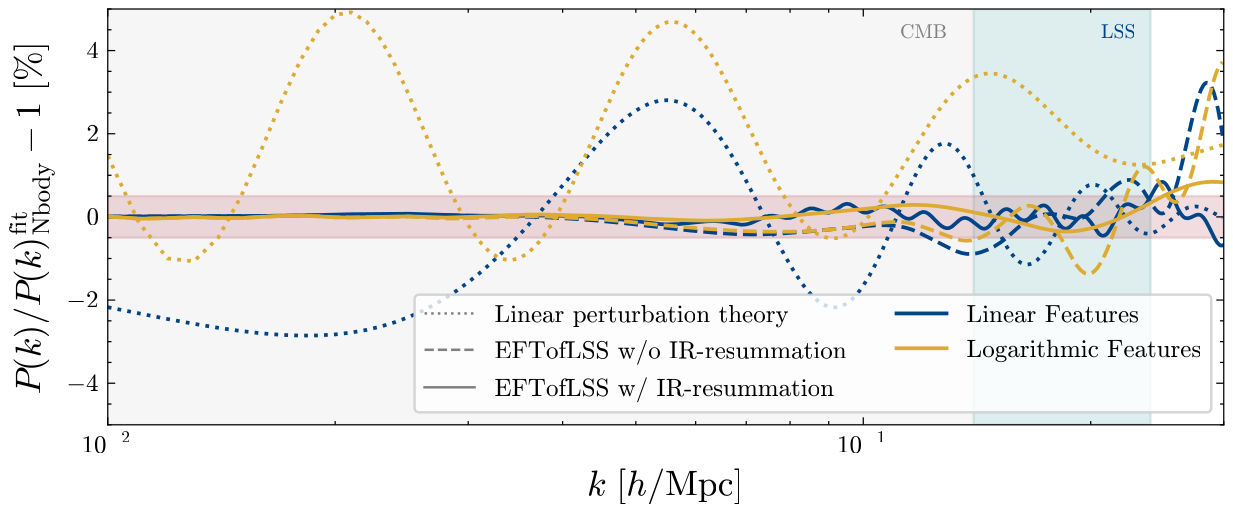
Methods across fields
Interdisciplinary
05 / 05
Epidemiology · Bayesian inference · public-health data
Interdisciplinary inference
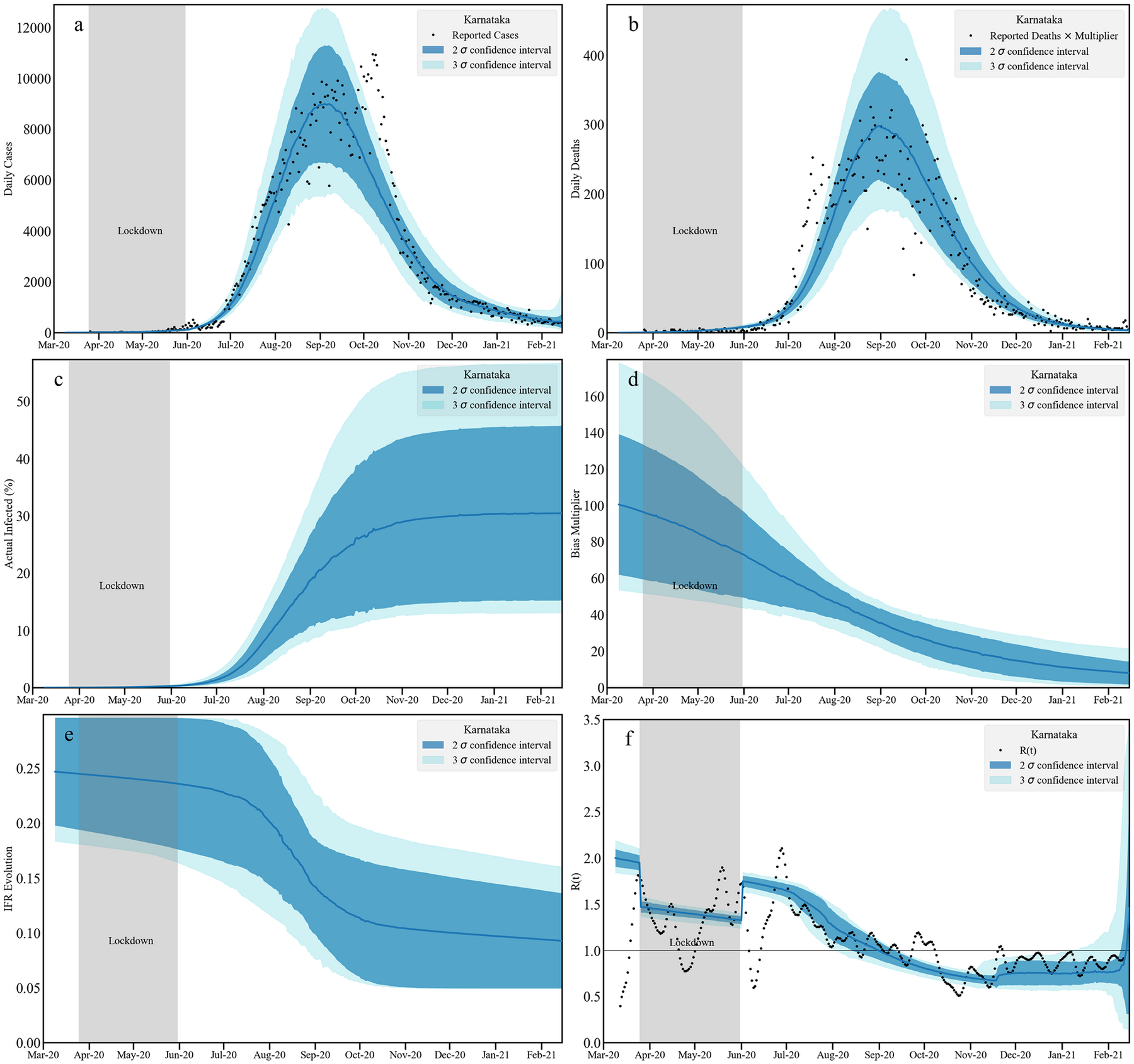
I also adapt the numerical solvers, model comparison and Bayesian inference machinery of cosmology to problems outside the field. ELiXSIR is a fast Fortran extended, zone-linked nine-compartment epidemic solver with age-structured contacts, policy transitions and migration between regions.
In the published INDSCI-SIM study, the framework was applied not only to Delhi, but across Karnataka districts and state, Bengaluru, Chennai, Mumbai, Pune and India as a whole. Joint fits to infections and deaths reconstructed reporting bias, infection fatality ratios and the evolving reproduction number.
Open the ELiXSIR dossier →